

Can I bring my own alcohol to a Table Lounge?
Jun 23, 2025
Can I Bring My Own Alcohol to a Table Lounge?
As a provider of furniture solutions for Table Lounges, I often get questions from lounge owners, customers, and enthusiasts about various aspects of running and enjoying a Table Lounge. One of the most frequently asked questions is whether patrons can bring their own alcohol to a Table Lounge. In this blog, I'll delve into this topic from multiple angles, considering legal, business, and customer - experience perspectives.
Legal Considerations
The legality of bringing your own alcohol (BYOB) to a Table Lounge varies significantly depending on local laws and regulations. In some areas, it is completely prohibited for establishments to allow customers to bring in their own alcohol. This is mainly due to the strict licensing requirements for alcohol sales. Bars and lounges typically need to obtain a specific license to sell alcohol, and allowing BYOB could undermine the purpose of these licenses.
For example, in many big cities, local governments have strict laws in place to ensure that only licensed establishments can serve alcohol. These laws are designed to regulate the sale and consumption of alcohol, ensuring public safety and preventing under - age drinking. Violating these laws can result in hefty fines and even the revocation of the establishment's business license.
On the other hand, there are regions where BYOB is allowed, but with certain restrictions. Some places may require the lounge to charge a corkage fee. This fee compensates the establishment for the service they provide, such as glassware, ice, and the general ambiance. The amount of the corkage fee can vary widely, from a few dollars per bottle to a more substantial amount depending on the type of alcohol and the lounge's pricing strategy.
Business Implications
From a business perspective, allowing BYOB can have both positive and negative impacts on a Table Lounge.
Positive Aspects
- Attracting Customers: Allowing BYOB can attract a wider range of customers, especially those on a budget. Some people may prefer to bring their favorite brand of alcohol, which they might not find at the lounge or which could be too expensive. This can increase foot traffic and potentially lead to more customers ordering food or other non - alcoholic beverages.
- Unique Selling Proposition: In a competitive market, a BYOB policy can set a Table Lounge apart from its competitors. It can create a niche market for the lounge, appealing to customers who value the flexibility and personalization of bringing their own alcohol.
Negative Aspects
- Reduced Revenue from Alcohol Sales: The most obvious drawback is the potential loss of revenue from alcohol sales. Alcohol is often a significant source of profit for lounges. When customers bring their own alcohol, the lounge misses out on the mark - up that they would normally charge on alcohol.
- Quality Control: Allowing BYOB can also pose challenges in terms of quality control. The lounge has no control over the quality or type of alcohol being brought in. Low - quality alcohol can potentially lead to a negative customer experience, as it may not pair well with the food or the overall atmosphere of the lounge.
Customer Experience
The customer experience is a crucial factor to consider when deciding whether to allow BYOB.
- Personalization: Bringing their own alcohol allows customers to have a more personalized experience. They can enjoy their preferred drink, whether it's a rare vintage of wine or a unique craft beer. This can enhance their overall enjoyment of the lounge.
- Social Aspect: Sharing a bottle of alcohol that a customer has brought can also enhance the social aspect of the lounge. It can lead to more interaction among customers as they share their knowledge and experiences of different types of alcohol.
However, there are also potential downsides to the customer experience. If the lounge is crowded and customers are bringing in a large amount of alcohol, it can create a chaotic environment. Additionally, if some customers bring in strong - smelling or low - quality alcohol, it can affect the overall ambiance of the lounge for other patrons.

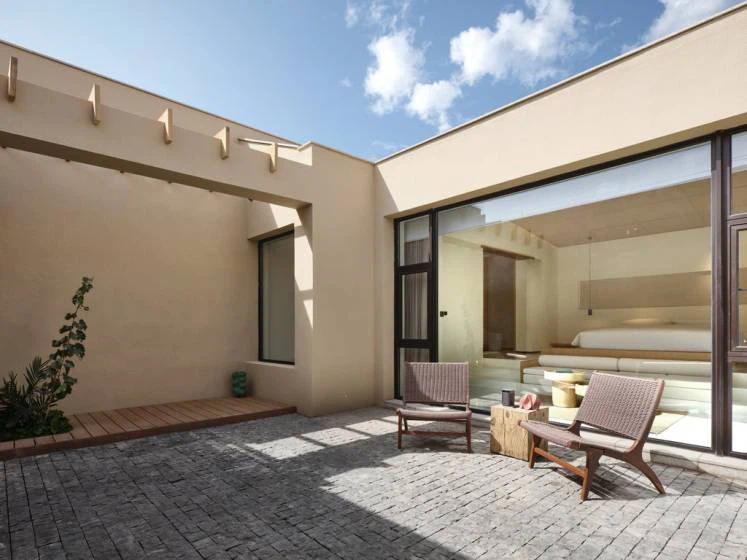
Our Furniture Solutions for Table Lounges
At our company, we understand the importance of creating a comfortable and inviting atmosphere in a Table Lounge, regardless of the BYOB policy. We offer a wide range of furniture options that can enhance the functionality and aesthetics of the lounge.
Our Back Table for Sofa is a great addition to any lounge. It provides a convenient surface for placing drinks, snacks, or personal items. Its design is both stylish and functional, and it can be easily integrated into different lounge setups.
The Conference Chair with Table is another excellent choice. It offers a comfortable seating option with an attached table, which is perfect for customers who want to have a more private and focused experience while enjoying their drinks and conversations.
For outdoor Table Lounges, our Outdoor Furniture and Tables are designed to withstand the elements while providing a high - quality seating and dining experience. They are made from durable materials and come in a variety of styles to suit different outdoor settings.
Conclusion
The decision of whether to allow BYOB in a Table Lounge is a complex one that depends on legal requirements, business goals, and the desired customer experience. Each lounge needs to carefully weigh the pros and cons before implementing a BYOB policy.
If you're in the process of setting up or renovating a Table Lounge, and you're interested in our furniture solutions, we'd love to have a discussion with you. Contact us to explore how our products can enhance the comfort and appeal of your lounge.
References
- Alcohol Beverage Control Laws by State. Various state government websites.
- "The Economics of BYOB in the Hospitality Industry" - Journal of Hospitality and Tourism Research.
- "Customer Preferences in Table Lounges" - International Journal of Consumer Studies.