

What are the anti - static options for upholstery?
May 30, 2025
As an upholstery supplier, I understand the challenges that come with managing static electricity on fabric surfaces. Static can not only be annoying to your customers but also potentially damage electronic components near upholstered furniture. With this in mind, I'd like to share several anti - static options for upholstery that you can consider when making your next purchase.
1. Anti - Static Fabrics
One of the most straightforward solutions is to select anti - static fabrics directly. These fabrics are designed to prevent the build - up of static charges. They are typically made from materials that have conductive properties or are treated with anti - static compounds.
For example, some synthetic fibers like polyester can be blended with conductive materials such as stainless - steel fibers. These conductive fibers allow the static charge to dissipate across the fabric surface rather than building up. When a person sits on the upholstery, any static electricity generated is quickly neutralized, minimizing the shock they might feel.
Another option is to use natural fibers like wool. Wool has natural moisture - absorbing properties. Since dry conditions are a major contributor to static build - up, the ability of wool to hold a certain amount of moisture helps reduce static. However, it's important to note that wool also requires proper maintenance to keep its anti - static effectiveness.
You can explore a wide range of daybeds crafted with anti - static fabrics at Daybed Designs. This collection offers not only anti - static functionality but also a variety of stylish designs to choose from.
2. Anti - Static Sprays
Anti - static sprays are a convenient way to treat existing upholstery. These sprays work by creating a thin, conductive layer on the fabric surface. When sprayed onto the upholstery, they help to dissipate static charges and reduce the likelihood of static shocks.
Most anti - static sprays are easy to apply. You simply need to shake the bottle well and spray it evenly over the upholstery surface. After that, you can use a soft cloth to spread the spray and allow it to dry. It's important to follow the manufacturer's instructions carefully, as some sprays may need to be reapplied periodically to maintain their effectiveness.
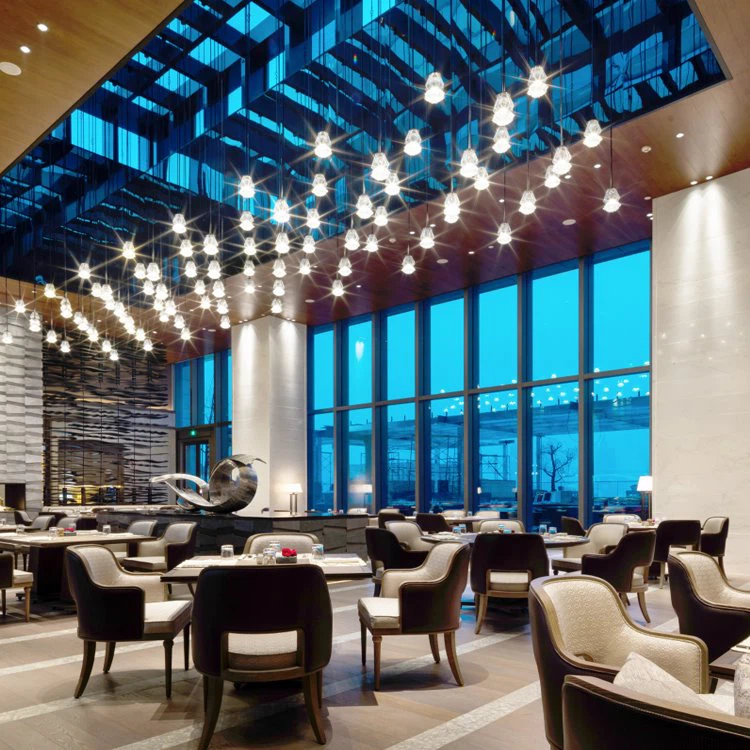

When purchasing anti - static sprays, look for products that are safe for use on your specific type of upholstery. Some sprays may be formulated for certain fabrics only, and using an inappropriate spray could damage the upholstery. You can use these sprays on dining chairs as well, and if you're interested in purchasing new dining chairs, visit Dining Chair Purchase to see a great selection.
3. Humidification
Controlling the humidity level in the environment can have a significant impact on static build - up on upholstery. Dry air is a major culprit for static electricity, as it allows charges to build up more easily. By increasing the humidity, you can help to reduce the static charge on upholstered surfaces.
Using a humidifier in the room where the upholstered furniture is located is a practical solution. You can set the humidifier to maintain a relative humidity level between 40% and 60%, which is generally considered ideal for both human comfort and reducing static. Different types of humidifiers are available, such as ultrasonic, evaporative, and steam humidifiers. Choose one that suits the size of the room and your specific needs.
It's important to keep in mind that excessive humidity can also cause other issues such as mold growth and damage to the furniture. Therefore, regular monitoring of the humidity level is necessary. If you're furnishing your living room with modern bean bags, and want to control static through humidification, check out Modern Bean Bags for some trendy and comfortable options.
4. Conductive Backing
For some upholstery applications, using a conductive backing can be an effective anti - static measure. Conductive backings are materials that are placed behind the upholstery fabric. They are made of conductive materials such as carbon or metal coatings.
These backings work by providing a path for the static charge to flow away from the upholstery surface. When a static charge builds up on the fabric, it can be transferred to the conductive backing, which then dissipates the charge. This helps to keep the upholstery surface free of static charges.
Conductive backings are especially useful in high - traffic areas or environments where static build - up is more likely, such as offices or public waiting areas. When considering upholstery with conductive backings, make sure to consult with an upholstery expert to ensure that it is properly installed and will not affect the appearance or comfort of the furniture.
5. Grounding
In some industrial or specialized settings, grounding the upholstered furniture can be an effective way to prevent static build - up. Grounding involves connecting the furniture to a ground source, such as a building's electrical grounding system.
When the furniture is grounded, any static charge that builds up on the upholstery can be safely discharged to the ground. This is a more complex solution and may require professional installation. It's typically used in environments where static electricity can cause serious problems, such as electronics manufacturing facilities or laboratories.
Choosing the Right Anti - Static Option
When choosing an anti - static option for your upholstery, there are several factors to consider. First, think about the type of fabric and the intended use of the furniture. For example, if you have a dining chair that will be used frequently, you might choose a durable anti - static fabric or use an anti - static spray for easy maintenance.
Second, consider the environment where the furniture will be placed. If the area is typically dry, humidification or using a natural fiber with good moisture - absorbing properties might be a better choice.
Finally, take into account your budget. Some anti - static options, like using anti - static fabrics from the start, may have a higher upfront cost, but they can save you money in the long run by reducing the need for additional treatments. On the other hand, anti - static sprays are generally more affordable but require ongoing application.
As an upholstery supplier, I'm here to help you make the best decision for your upholstery needs. Whether you're looking for anti - static daybeds, dining chairs, or bean bags, we offer a wide range of products and solutions. If you have any questions or would like to discuss your specific requirements, feel free to reach out. We're eager to assist you and can guide you through the purchasing process to ensure you get the most suitable anti - static upholstery for your situation.
References
- ASTM International. (2022). Standard Test Methods for Static Decay Time of Textile Materials. ASTM D4219 - 22.
- Textile Research Institute. (2021). Handbook of Textile Science and Technology: Fibers, Yarns, Fabrics, and Nonwovens: Processes, Applications, and Models.