

What is the lifespan of a table?
Dec 19, 2025
Hey there! As a table supplier, I've been getting a lot of questions lately about the lifespan of tables. It's a super important topic, especially if you're looking to invest in a quality piece that'll last you a good long while. So, let's dive right in and explore what affects a table's lifespan and how you can make yours last as long as possible.
First off, the material of the table plays a huge role in determining how long it'll stick around. There are all sorts of materials out there, from wood and metal to glass and plastic. Each has its own pros and cons when it comes to durability.
Wooden tables are a classic choice. They've got this warm, natural look that just adds a touch of elegance to any space. But how long do they last? Well, that depends on the type of wood. Hardwoods like oak, maple, and walnut are known for their strength and longevity. They can withstand a fair amount of wear and tear, and with proper care, they can last for decades. Softwoods, on the other hand, like pine or cedar, are a bit more prone to scratches and dents. They're still great for certain applications, but they might not have the same long - lasting quality as hardwoods.
If you're in the market for an outdoor table, you might want to check out Outdoor Furniture and Tables. These tables are designed to handle the elements, which is crucial for their lifespan. Outdoor conditions can be tough on furniture, with exposure to sunlight, rain, and extreme temperatures. A well - made outdoor table should be treated to resist moisture and UV damage. For example, some outdoor wooden tables are pressure - treated or coated with a weather - resistant finish. This helps prevent rot, warping, and fading over time.
Metal tables are another option. They're usually very sturdy and can handle a lot of weight. Stainless steel and aluminum are popular choices. Stainless steel is highly resistant to rust, making it a great option for both indoor and outdoor use. Aluminum is lightweight yet strong, and it also doesn't rust easily. However, if the metal isn't properly finished or protected, it can start to corrode over time. You might notice some rust spots forming on the edges or joints, which can weaken the structure of the table.
Glass tables are sleek and modern. They can really make a statement in a room. But they're also a bit more fragile. A single hard impact can cause the glass to crack or shatter. However, if you take good care of them, they can last a long time. Tempered glass is often used in table tops because it's stronger than regular glass. It's designed to break into small, relatively harmless pieces rather than large, sharp shards.
Plastic tables are affordable and lightweight. They're great for casual or outdoor use, like in a backyard or a picnic area. They're resistant to moisture and don't require a lot of maintenance. But they might not have the same high - end look as wood, metal, or glass tables, and they can start to fade or become brittle over time, especially if they're exposed to a lot of sunlight.
Now, let's talk about how your usage and maintenance can affect a table's lifespan. If you're using a table in a high - traffic area, like a dining room or a family room, it's going to get more wear and tear than a table in a formal living room that's only used occasionally. For example, if you have kids or pets, they might accidentally scratch or spill things on the table. Regular cleaning is essential to keep your table looking good and functioning properly.
For wooden tables, you should use a mild cleaner and a soft cloth. Avoid using harsh chemicals or abrasive cleaners, as they can damage the finish. You might also want to apply a wood polish every once in a while to keep the wood looking shiny and protected. Metal tables can be cleaned with a damp cloth and a mild detergent. Make sure to dry them thoroughly to prevent rust. Glass tables can be cleaned with a glass cleaner and a lint - free cloth.
If you're looking for a unique and stylish table, take a look at Designer Nest Of Tables. These tables are not only functional but also add a touch of design to your space. However, like any other table, they need proper care to last.
Another factor that affects a table's lifespan is how it's constructed. A well - built table with strong joints and a solid frame is going to last longer than a poorly constructed one. When you're buying a table, take a close look at the joints. Do they look tight and secure? Are there any signs of wobbling or instability? A good quality table should feel sturdy when you sit or lean on it.
Let's also consider the style of the table. For example, a Back Table for Sofa is often used in a living room setting. It's usually a smaller table that's placed behind a sofa. Its lifespan will depend on how it's used. If it's just used to hold a few decorative items, it'll likely last longer than if it's used as a place to put drinks, books, and other heavy objects.
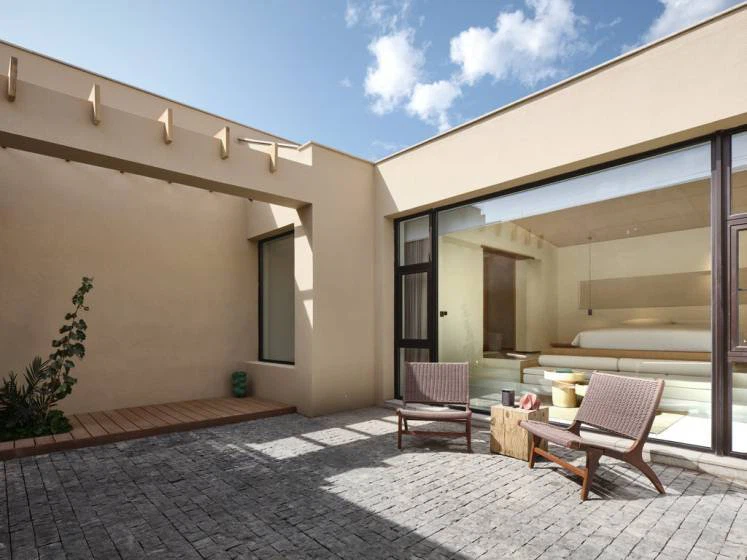

On average, a well - made and well - maintained wooden table can last anywhere from 20 to 50 years or even more. Metal tables can also have a long lifespan, often 20 to 30 years or longer, depending on the type of metal and the level of care. Glass tables can last a long time if they're not damaged, but they might need to be replaced if the glass cracks or shatters. Plastic tables might last 5 to 10 years, depending on the quality and how they're used.
So, if you're in the market for a new table, think about your needs, the style you like, and how long you want it to last. As a table supplier, I can help you find the perfect table for your space and budget. Whether you're looking for an outdoor table, a designer nest of tables, or a back table for your sofa, I've got a wide range of options to choose from.
If you're interested in learning more about our tables or want to start a purchase negotiation, don't hesitate to reach out. We're here to answer all your questions and help you make the best decision for your home or business.
References:
- General knowledge on furniture materials and construction
- Industry experience as a table supplier